
Considerations when travelling.
As a lone worker travel around isolated areas or, when we are out otherwise and about meeting customers and service users is a potential risk. We should want to ensure our safety and security. In fact, its fair to say that whoever we are, when we are travelling and whether we are working or not, we want to be safe, and to feel safe. This is the second article in the series about personal safety and lone working safety tips. For overarching general tips, please check out our first article, otherwise, read on for travel tips:
Firstly, the type of transport?
Personal safety while walking. When walking you might want to

- know your route
- stay in busy well lit areas if possible and face oncoming traffic
- avoid poorly lit or isolated short cuts
- carry a personal alarm
- after dark, carry a torch – preferably not your mobile – you don’t want to drain the battery
General and lone worker travel safety points using public transport. When using public transport, we might want to consider the following

- plan your journey
- check timetables and updates
- give yourself time if buying tickets on route – don’t show lots of cash or credit cards when you do
- use reputable companies
- if using taxis ensure you book them in advance or, if you have to ‘flag’ a cab, check its licensed and look for the driver’s ID which should be displayed.
- (when using a taxi/cab) take a picture before you get in and let the driver know. (photo the number plate) and text it to someone you know
- if you feel concerned, (sit near to driver on a bus) or a group of people who you feel you can trust or change carriages/get off in a safe place
- when out and waiting for transport to arrive , stay alert and, to busy areas/well lit areas if possible
- when waiting for transport to arrive, have your ticket or a small amount of change/card ready
- take note of where emergency buttons/alarms might be on carriages, platforms etc.
- avoid falling asleep
- have something with you – earphones (but don’t get distracted by music etc.) a book, magazine etc. so that you can look occupied when seated to put people off engaging in conversation
General and lone worker travel safety points using private transport
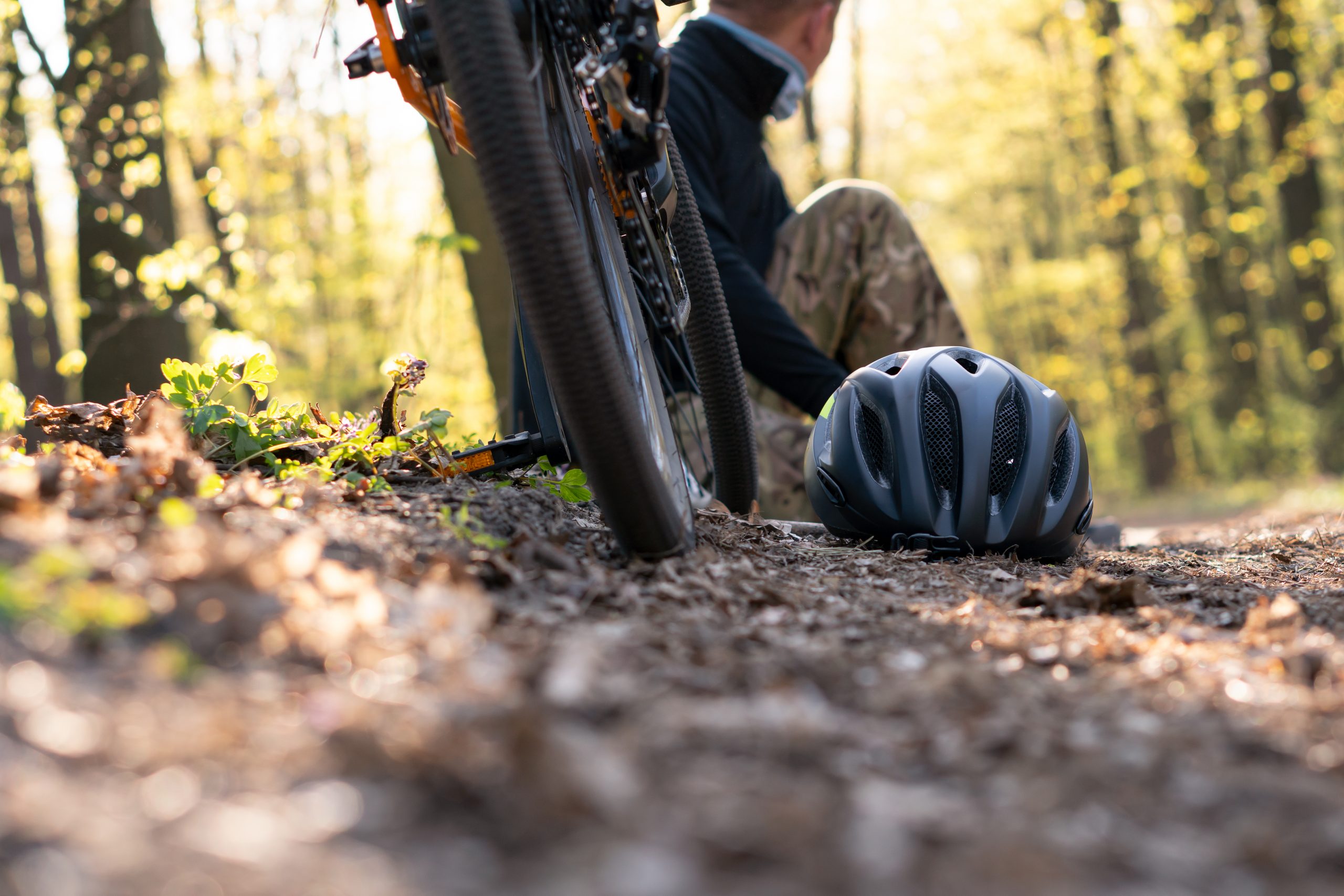
When using a bicycle you should ensure you
- feel okay and fit enough to be riding in the conditions at the time
- keep your bike and lights in good working order
- make sure that you can see, and be seen
- wear bright and ideally fluorescent clothing
- wear a helmet
- have mirrors, a bell or horn you can use
- carry a puncture repair kit and know how to fix a puncture
When using a car, van or other motor vehicle, you should;

- ensure that you feel fit to drive
- keep it roadworthy and serviced
- drive appropriately and not get involved in confrontations
- park so that you drive forwards to leave
- park in well lit/busy areas if possible
- if visiting customers/clients consider parking a little away from their place – do you want them knowing what vehicle you drive?
- don’t leave valuables/recognisable documents on show
- lock the vehicle/storage boxes on a motorbike
- if you are going to have a difficult meeting, try not to park in a cul-de-sac, or dead end
- don’t give lifts to people you don’t know
- ensure you and any passengers wear seat belts
- if you break down, use hazard warning lights. You should of course whether its safer to stay with your vehicle or walk to a place of safety, contact assistance and tell someone you know where you are.
- if you are involved in a road accident, you should firstly stop and exchange names, addresses, registration numbers and insurance details


